
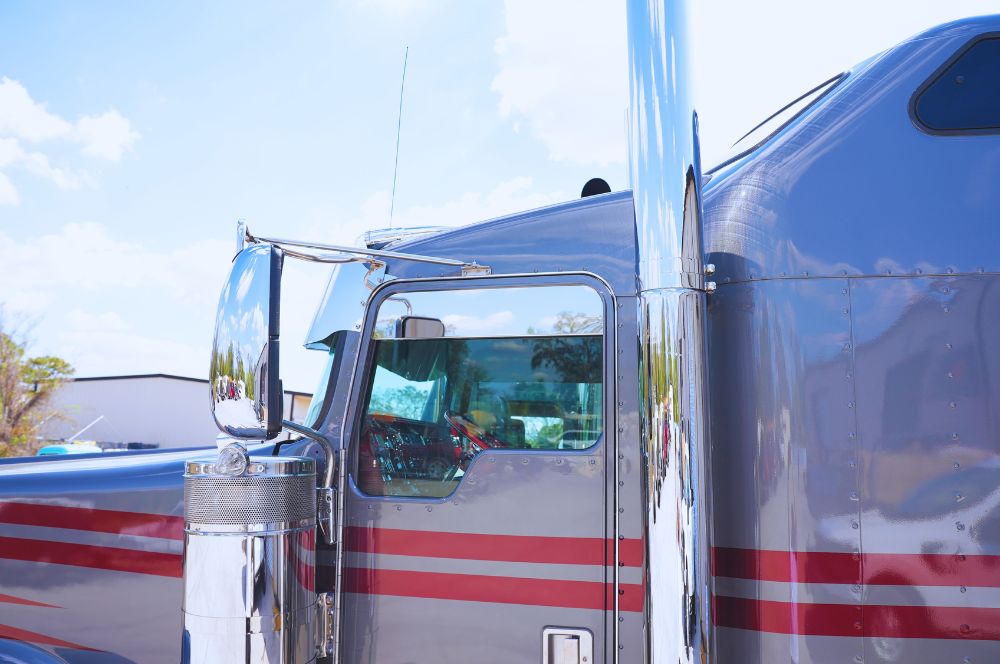
Finding aftermarket truck parts that look right for your semi is only part of the buying process. You also need to know whether they were designed to fit your particular truck. Two trucks from the same manufacturer can have important differences depending on their model, year, and configuration. Even trucks that look similar from the outside may use different dimensions, mounting locations, or body components. Checking truck parts fitment before ordering can help drivers avoid purchasing something that doesn’t work with their vehicle.
Why Do the Make and Model of a Semi-Truck Matter?
Aftermarket truck parts are often designed around the dimensions and mounting points of specific trucks. A visor made for a Peterbilt 389, for example, should not automatically be assumed to fit another Peterbilt model simply because the trucks share some styling characteristics.
That is why aftermarket parts are frequently organized by specific makes and models. Florida's Finest Custom Works allows drivers to shop semi-truck parts for models including the Peterbilt 379, 389, and 579; Kenworth T680 and W900; Freightliner Cascadia and Classic; and other trucks.
The model is a starting point, however. Drivers may still need additional information before they know whether a particular part is the right choice.
Can Model Year and Cab Configuration Affect Truck Parts Fitment?
Manufacturers make changes to trucks over time, and an aftermarket component designed for one range of model years may not work with another. Changes to the cab, body panels, mounting locations, or factory equipment can affect whether a part fits as intended.
Cab configuration also matters. Depending on the component, a day cab and sleeper configuration may require different parts. Variations within the same model also influence compatibility. Before ordering, check information such as:
-
Truck manufacturer
-
Exact model
-
Model year or year range
-
Existing mounting points or hardware
-
Product measurements and specifications
-
Any fitment notes included with the product
The information required will depend on the part. A small accessory may have relatively simple compatibility requirements, while a larger exterior component may require much more precise fitment.
Why Should You Check Mounting Points and Product Details?
Mounting holes, brackets, and the shape of the surrounding truck body all affect installation. This is especially important with exterior components that need to line up with existing parts of the truck. For example, choosing a Peterbilt 389 visor involves more than deciding which style looks best. Drivers also need to choose a visor designed for the appropriate truck and configuration.
Read the entire product description before ordering rather than relying only on the product photograph or title. Fitment notes may identify compatible models, year ranges, or other requirements that determine whether the component works with your truck.
If measurements are provided, compare them with the truck when appropriate. A few minutes spent checking details before purchasing can prevent considerably more work later.
Drivers should also remember that previous customization can affect fitment. An aftermarket bumper, visor, body panel, or other modification may change the space available for another component. A part designed around the factory configuration cannot always account for modifications already made to the truck.
Check Fitment Before Ordering Aftermarket Truck Parts
Choosing aftermarket parts starts with finding something you want to add to your truck, but confirming compatibility should come before placing the order. Knowing your truck's exact model, year, and configuration and carefully reviewing the product details can help you select a part intended for your semi.
Florida's Finest Custom Works offers aftermarket semi-truck parts and accessories for a variety of Peterbilt, Kenworth, Freightliner, and other models. Review the fitment information provided with individual products or contact Florida Finest Custom if you have questions about a part for your truck.
Frequently Asked Questions
How do I know what model semi-truck I have?
Truck identification information can generally be found in the vehicle documentation and identification labels. Knowing the exact model and model year is important before shopping for model-specific aftermarket parts.
Will a part fit every truck made by the same manufacturer?
No. A part designed for one Peterbilt, Kenworth, or Freightliner model should not be assumed to fit every truck from that manufacturer. Models can have different dimensions, body designs, and mounting locations.
Does the model year matter when buying aftermarket truck parts?
It can. Manufacturers may make design changes during a model's production run, which means a component may fit only certain model years or generations.
Does a day cab use the same aftermarket parts as a sleeper truck?
Sometimes, but not always. Compatibility depends on the component and truck. Check the product's fitment information to see whether cab configuration affects the part you are considering.
What information should I have before asking about truck parts fitment?
Start with the truck's manufacturer, exact model, model year, and cab configuration. Depending on the part, you also may need measurements, photographs, or information about modifications already made to the truck.